Experimentally investigating the formation of human habits: It is hard, but we are getting there
According to learning theory, if a given response is experienced as a stable predictor of reward for an extended period of time, we can then free up cognitive resources for other purposes by relinquishing control to our habit system (putting it on autopilot). Habits are thought to be a very useful weapon in the human cognitive arsenal and indeed, it has been suggested that most of our daily behaviours are habitual. Habits have been also proposed as relevant in cases in which perseverant behaviours go outside of our control and become a problem (e.g., obsessive-compulsive disorder, drug abuse, binge eating). Despite the growing body of applied research and habit-based interventions, there are serious gaps in fundamental habit research. In this talk I will explain the probably most pressing issue in the field: The lack of information about the validity of current habit measurements. Then, I will show recent efforts to improve human habit research and hence address this issue. Lastly, I will discuss possible future research venues.
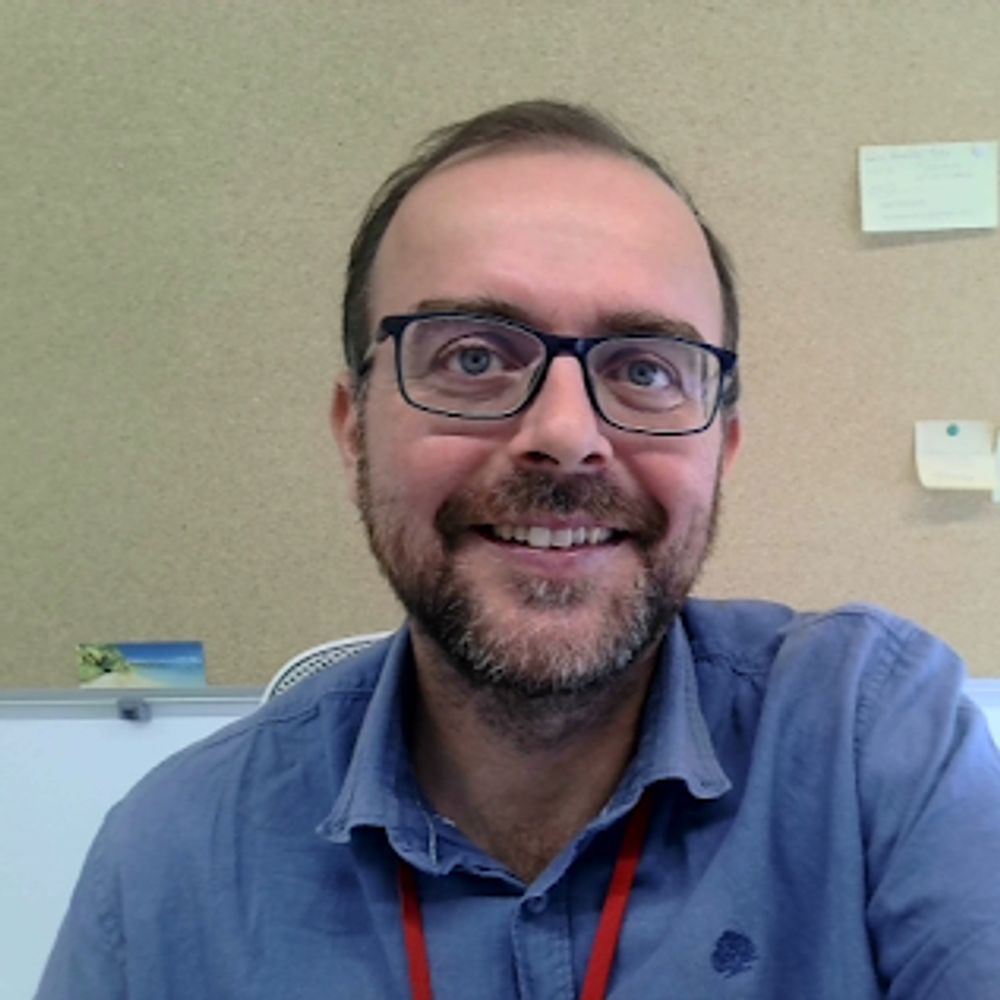
Speaker
Dr. David Luque
University of Málaga, Málaga, Spain
David Luque is “Profesor Titular” (Senior Lecturer) at the department of basic Psychology, Universidad de Málaga. His research interests are related to how humans learn new habits and how/when habits interfere with goal-directed actions and attention. He has pioneered in the use of a range of techniques and dependent variables (Response Time, EEG, eye gaze) for studying the habit system. Dr Luque has been 3 years working as a Senior Researcher Fellow at UNSW Sydney (Australia, 2013), and 4 years at Universidad Autónoma de Madrid (Researcher Attraction Grant, 2018). He has attracted more than €1M in funding for research as PI, from the Australian Research Council, the AEI, and the Research Agencies from the region of Madrid and Andalusia. His research has been published in prestigious journals (Journal of Experimental Psychology: General; Journal of Neuroscience; eLife). Dr Luque is very involved in Open Science. All the experiments coming from his research team are preregistered; all data, materials, and analysis code are openly shared (320 entris in OSF). He has been awarded with the “Preregistration Challenge Prize” (Center for Open Science, 2017) and the Team Credibility Prize for being a part of the #EEGManyLabs project (British Neuroscience Association, 2023).